
After months of careful study and public consultation, several sections of Welland’s trail network have been removed as part of an extensive environmental assessment. The decision came following a Schedule ‘B’ Municipal Class Environmental Assessment study that evaluated trail alignments, safety concerns, and environmental impacts throughout the city.
Welland trail sections removed following comprehensive environmental study evaluating alignments, safety, and ecological impacts citywide.
The assessment process included multiple Public Information Centers where residents shared their thoughts on the trail network. The city also gathered feedback through surveys and the Engage Welland online platform, following IAP2 Spectrum principles to guarantee balanced governance and public input.
“We needed to address several safety concerns for pedestrians and cyclists,” said a city representative. The study identified certain trail sections as underused or redundant based on community feedback. Some removals were prompted by urban development, while others aimed to reduce maintenance costs or preserve natural habitats.
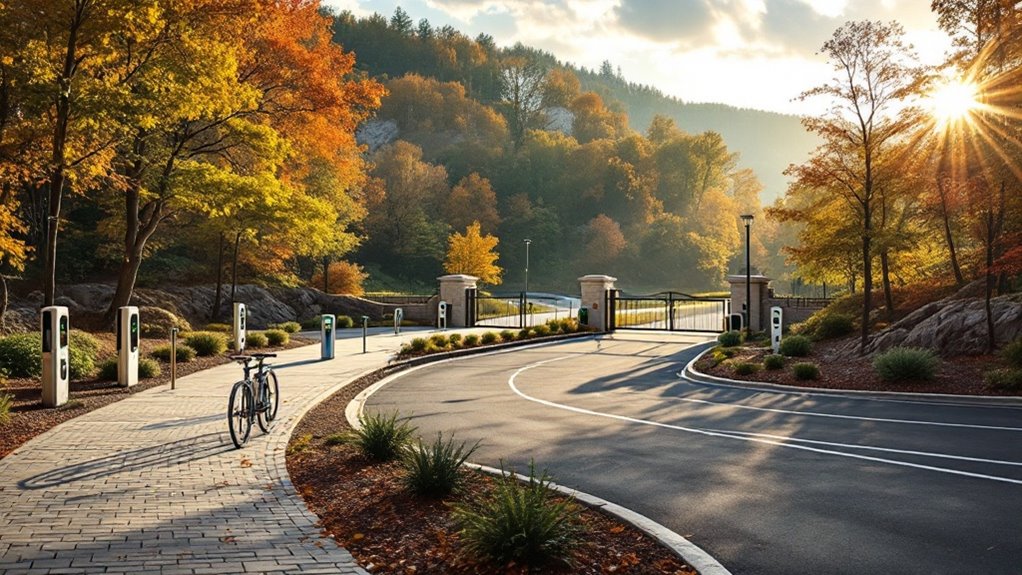
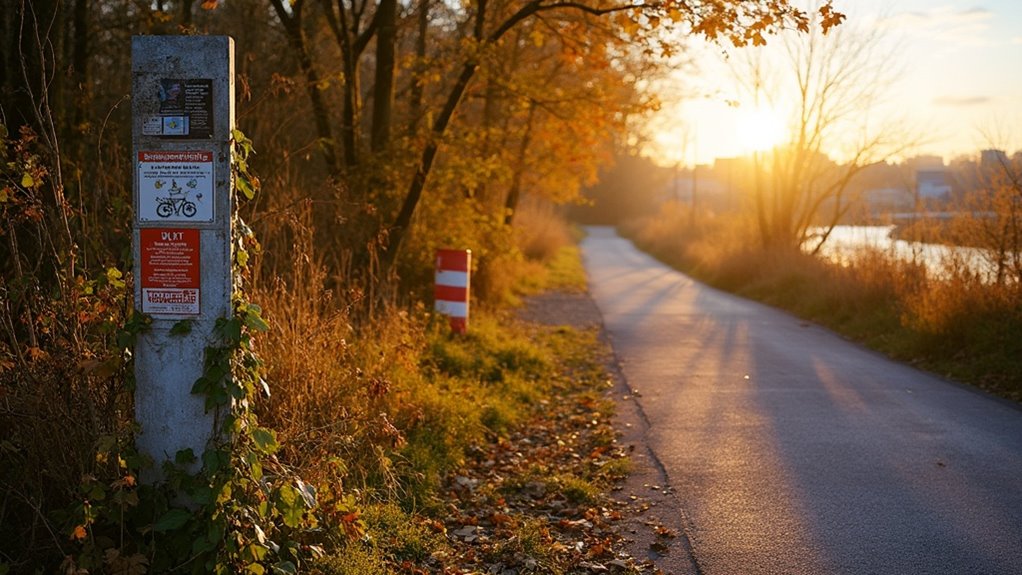
While the removals have affected connectivity in specific areas, the city has proposed alternate routes to fill these gaps. The remaining trail network has received significant upgrades including enhanced lighting, improved signage, and new amenities for users’ convenience.
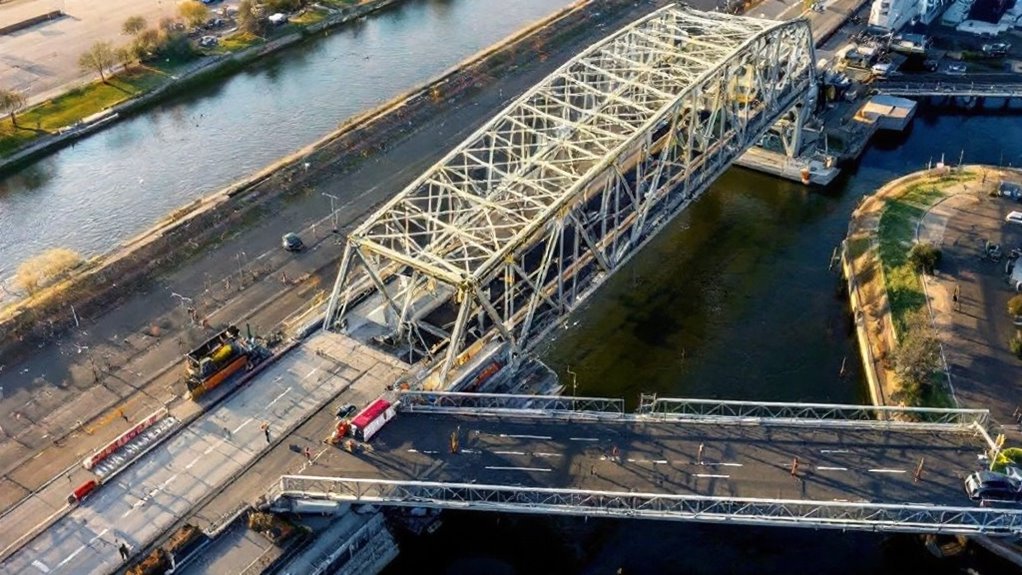
Infrastructure improvements feature new trailheads with maps, benches, and bike repair stations. The study was specifically focused on determining a preferred connection between the Rail Trail at Marlatts Road and the Welland Canal Trail. The design upgrades follow regional and provincial best practices for accessibility and safety, creating better connections between neighborhoods and key urban zones.
The city has restructured maintenance budgets to optimize resources after the removals. Funding for the project came from a combination of local allocations and regional grants, supporting both the removal work and new infrastructure development.
Environmental assessments played a key role in the decision-making process, with conservation efforts guiding which sections would remain or be removed. The updated network now features multi-use paths designed for both recreational users and commuters.
Moving forward, the city has established stricter maintenance and monitoring plans for the trail network. Officials believe these changes will create a more connected, safer, and more enjoyable trail system for residents of all ages and abilities.
Urban design in Niagara is leaning into nature, blending conservation with functionality. With better upkeep and safer pathways on the horizon, this trail overhaul is more than just cosmetic, it’s a step toward everyday sustainability. See how infrastructure projects like this are reshaping the region at Marketplace Niagara.